
Key Projects by Zara Charity
Zainab Projects
Across Tanzania, Zainab Ansell has implemented community projects that combine empowerment, education, and conservation.
Core Objectives include:
- Supporting marginalized groups, orphans, women, and underprivileged individuals by providing access to food, shelter, and education.
- Improving the welfare of porters and guides who make mountain expeditions possible.
- Promoting environmental conservation to ensure the long-term sustainability of Tanzania’s natural wonders.
- Empowering communities economically and socially through skills training and education.
- Expanding impact globally by partnering with like-minded organizations and travelers.
01.
Moshi Kids Center
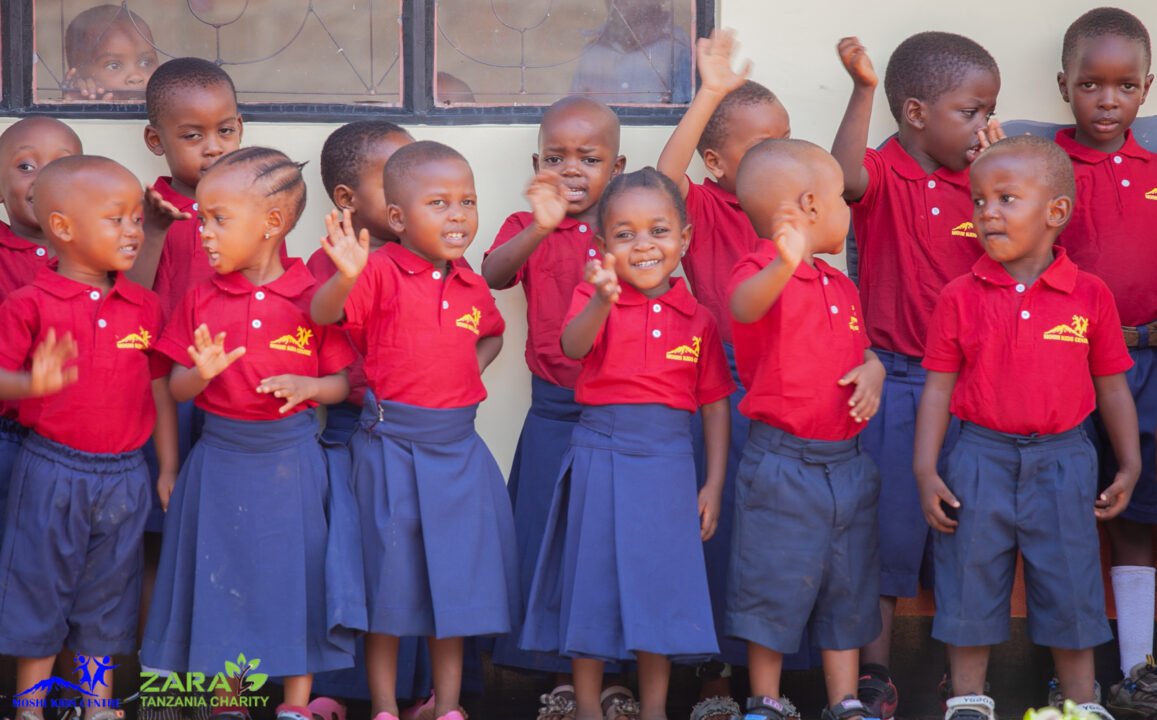
Zara Charity runs this initiative in Moshi through the Moshi Kids Centre, a haven dedicated to providing education, care, and a safe environment for underprivileged children. The center’s mission is rooted in the belief that every child deserves the opportunity to learn, grow, and reach their full potential.
Through community and traveler support, Zara Charity supplies essential items such as clothing, school materials, food, and sports equipment, while also welcoming international volunteers to engage directly with the children. By nurturing young minds, Zara Charity delivers more than material aid; it offers hope, shaping the next generation of educated and empowered Tanzanians.
02.
Maasai Pre-School Project
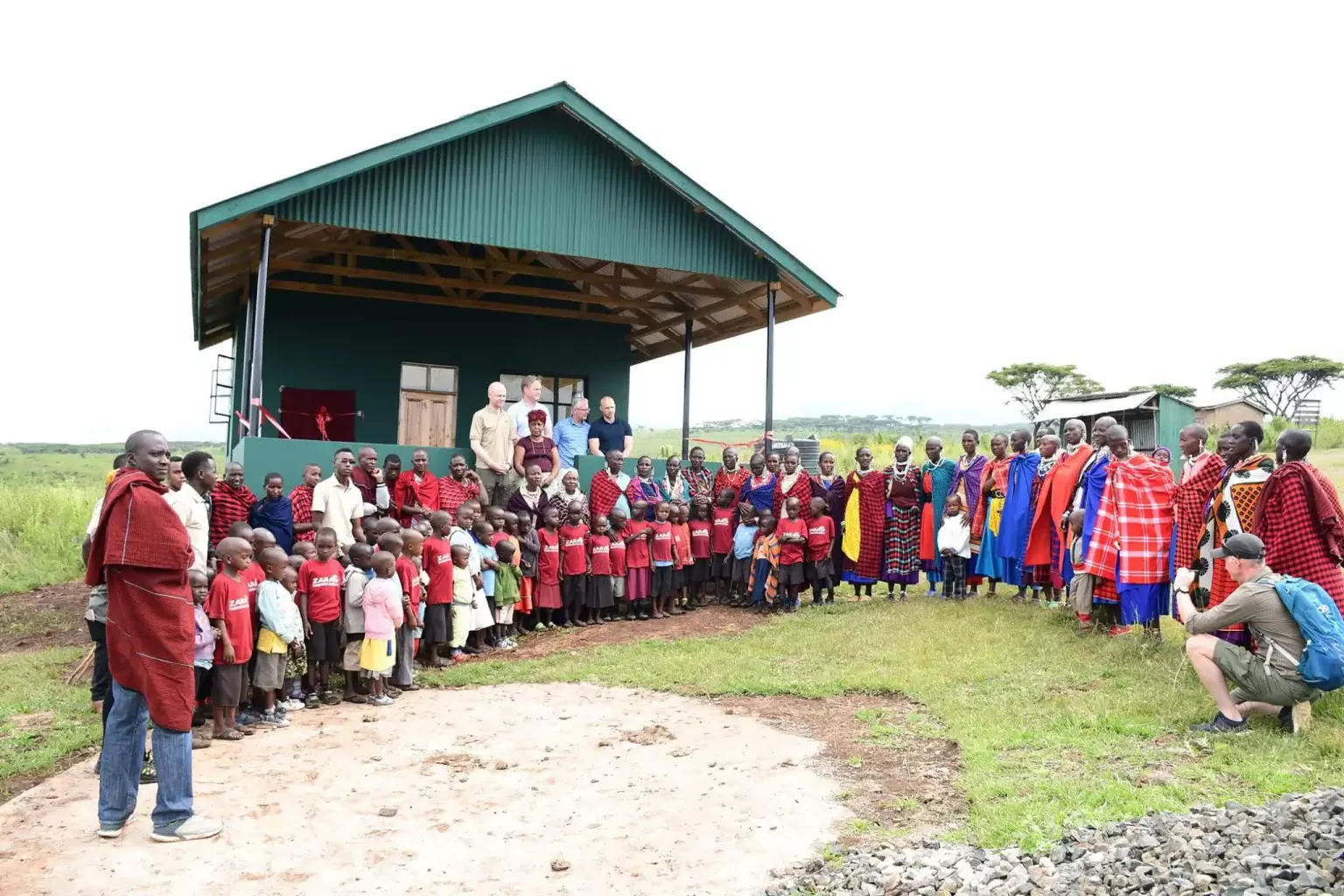
Education is the foundation of long-term change. The Maasai Pre-School Project aims to provide early childhood education to children in remote Maasai communities.
By learning Swahili and basic literacy skills before entering primary school, children become better prepared for continued education. The program also encourages families to support formal learning, helping to break cycles of poverty and illiteracy.
Zara Charity’s vision is to expand this project by constructing additional classrooms and facilities to accommodate more children in need.
03.
Maasai Women Empowerment Group
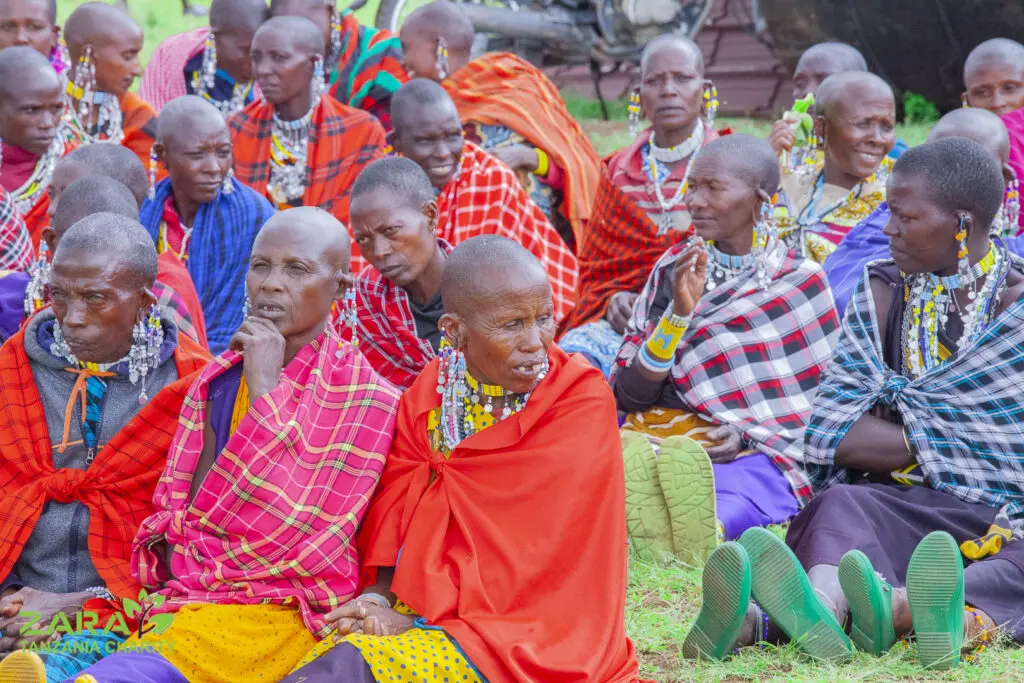
Zara Charity’s Maasai Women Group focuses on liberating women from cultural and economic constraints by offering skills training, education, and employment opportunities.
Through workshops and small-business initiatives, women gain independence and confidence while contributing to their families and local economies. The project has become a beacon of hope for Maasai women seeking equality and self-reliance.
04.
Tree Planting Project
In Pasua, Zara Charity Tanzania operates a tree nursery that produces and distributes seedlings to local schools and communities. The program educates residents on the benefits of tree planting, soil protection, and carbon reduction.
By involving students from Kaloleni Primary School and community members, the charity instils a sense of environmental responsibility among the next generation, ensuring that Tanzania’s natural heritage continues to thrive.
05.
Mount Kilimanjaro Clean-Up Project
Registered in 2005, the Mount Kilimanjaro Porters Society (MKPS) works to protect the welfare of porters who play a crucial role in every mountain expedition. Through training and advocacy, MKPS ensures fair working conditions, safety, and dignity for these unsung heroes.
Zara Charity collaborates closely with MKPS to provide resources, scholarships, and improved facilities for porters, creating a model for ethical trekking in East Africa.
This initiative not only keeps the mountain clean but also raises global awareness about responsible trekking and environmental care. The project has inspired climbers worldwide to treat Kilimanjaro as a symbol of ecological stewardship.

06.
The Asali Project
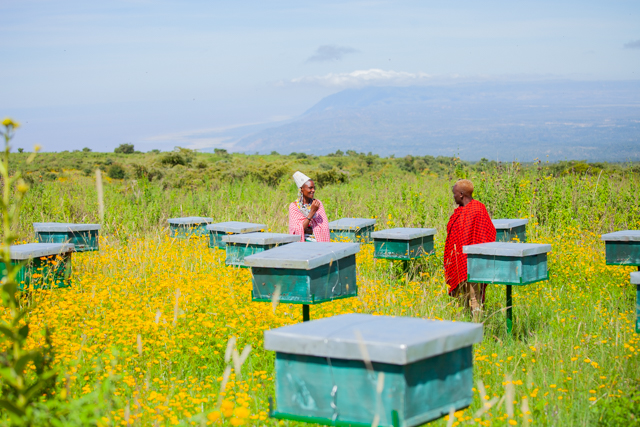
Established in 2022 and based within the Ngorongoro Conservation Area, the Asali Project is one of Zara Charity’s innovative sustainability programs designed to empower local communities through beekeeping. The initiative provides training and start-up support for families and women’s groups to produce organic honey, promoting both income generation and environmental conservation.
By promoting forest and pollinator protection, this project supports biodiversity and creates economic opportunities in rural areas. “Asali”, meaning “honey” in Swahili, symbolizes the sweetness of sustainable living and community cooperation.